
Pelvic Health for Teens

Photo Credit: Vitaly Gariev @silverkblack
When you hear “pelvic floor physiotherapy,” you might immediately think of pregnancy, postpartum recovery, incontinence or menopause. The pelvic floor is something everyone has, and it plays an important role in our everyday health. So why are we waiting until adulthood or until there is a problem to start talking about it? There are so many things I wish I knew as a teenager or young adult but was too embarrassed to ask about it.
Pelvic health education should start earlier
Teenagers are navigating a LOT of changes. Their bodies are changing, they’re becoming more independent, they’re participating in sports and exercise, and many are learning to manage periods and other changes that come with puberty. Yet pelvic health isn’t something we typically spend much time teaching them.

Photo Credit: Vitaly Gariev @silverkblack
They may not know that leaking with jumping or running isn’t normal or that they shouldn’t spend an entire school day holding their pee. They may have constipation or painful periods and assume it’s just something they must live with. They may have questions about vaginal hygiene, discharge, menstrual products or pelvic pain—but feel too embarrassed to ask.
This is where education can make a difference.
What do we cover?
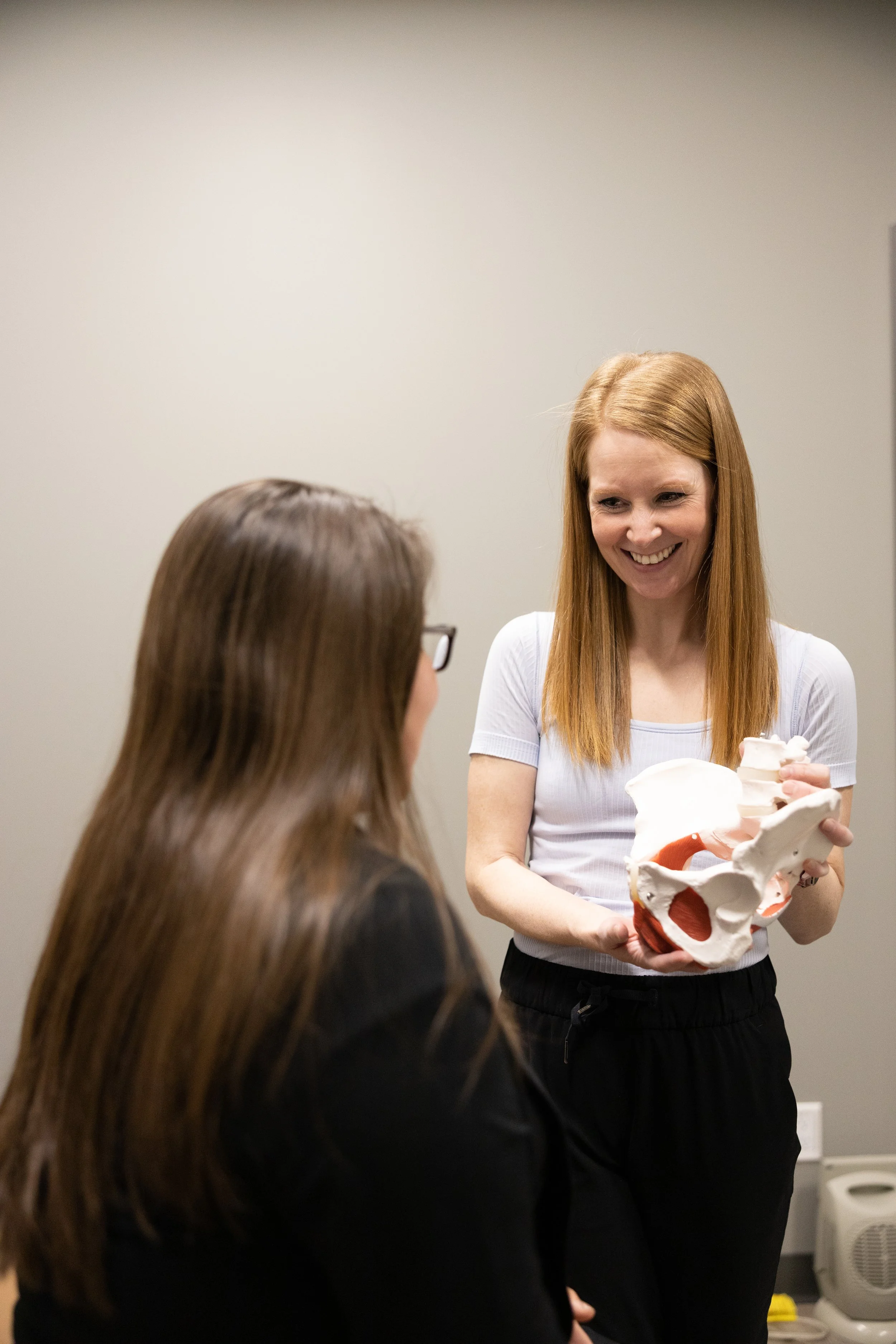
In my Pelvic Health for Teens session, we start with the basics: what the pelvic floor is, what it does and why it matters.
From there, we talk about some of the major areas of pelvic health, including:
Bladder health — healthy bladder habits, urgency, frequency and leakage
Bowel health — constipation, healthy bowel habits and the connection between the bowel and pelvic floor
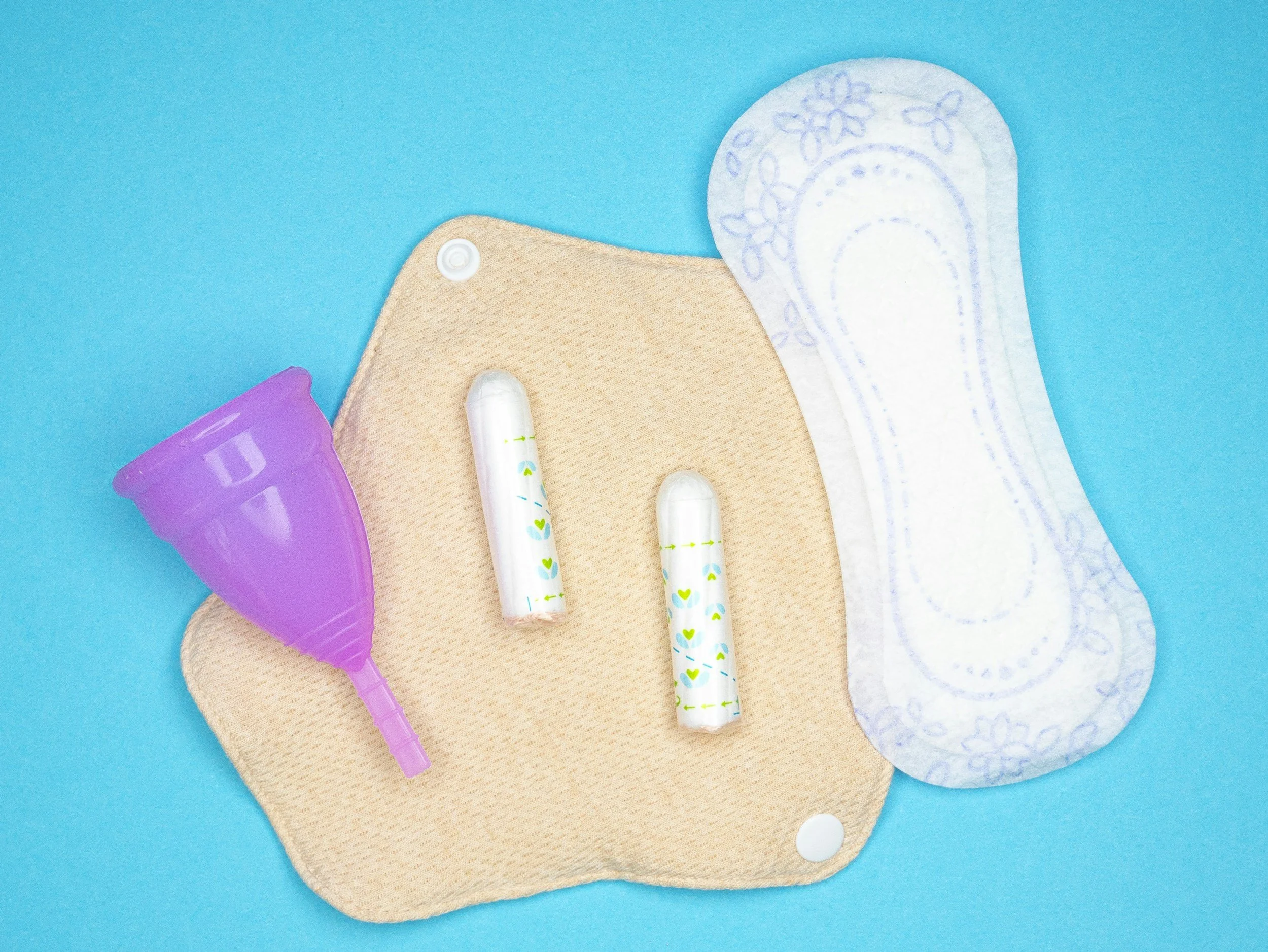
Menstrual health — period pain, bleeding, menstrual products and when symptoms may need further investigation
Pelvic health and hygiene — what’s normal and when something may need to be checked
Stress and the pelvic floor — how stress can influence bladder, bowel and pelvic symptoms
Sports and exercise — how the pelvic floor works with the core and the rest of the body
When to seek help — recognizing symptoms that shouldn’t simply be ignored
There is also an optional sexual health component for families who feel it is appropriate. Parents can choose which topics they are comfortable having covered before the session. The education is tailored to the teen’s age, maturity and individual needs.

Photo Credit: Gabriel Martin@diseniatica
Why does this matter?
I don’t want teens to grow up thinking pelvic health is embarrassing or something you only talk about when there is a major problem.
I want them to understand their bodies, to know what is normal and recognize when something isn’t. I want an athlete to know that urine leakage during sport is something they can ask about. I want a teenager with severe period pain to know that they don’t necessarily have to just “tough it out.” And I want them to feel comfortable asking questions before a small issue becomes a bigger one.
We teach kids about nutrition, exercise, puberty and dental hygiene. Pelvic health deserves a place in that conversation too.
Pelvic Health for Teens is an opportunity to give your teen the information they need to better understand and take care of their pelvic health and remove the shame or embarrassment that many of us had growing up.