

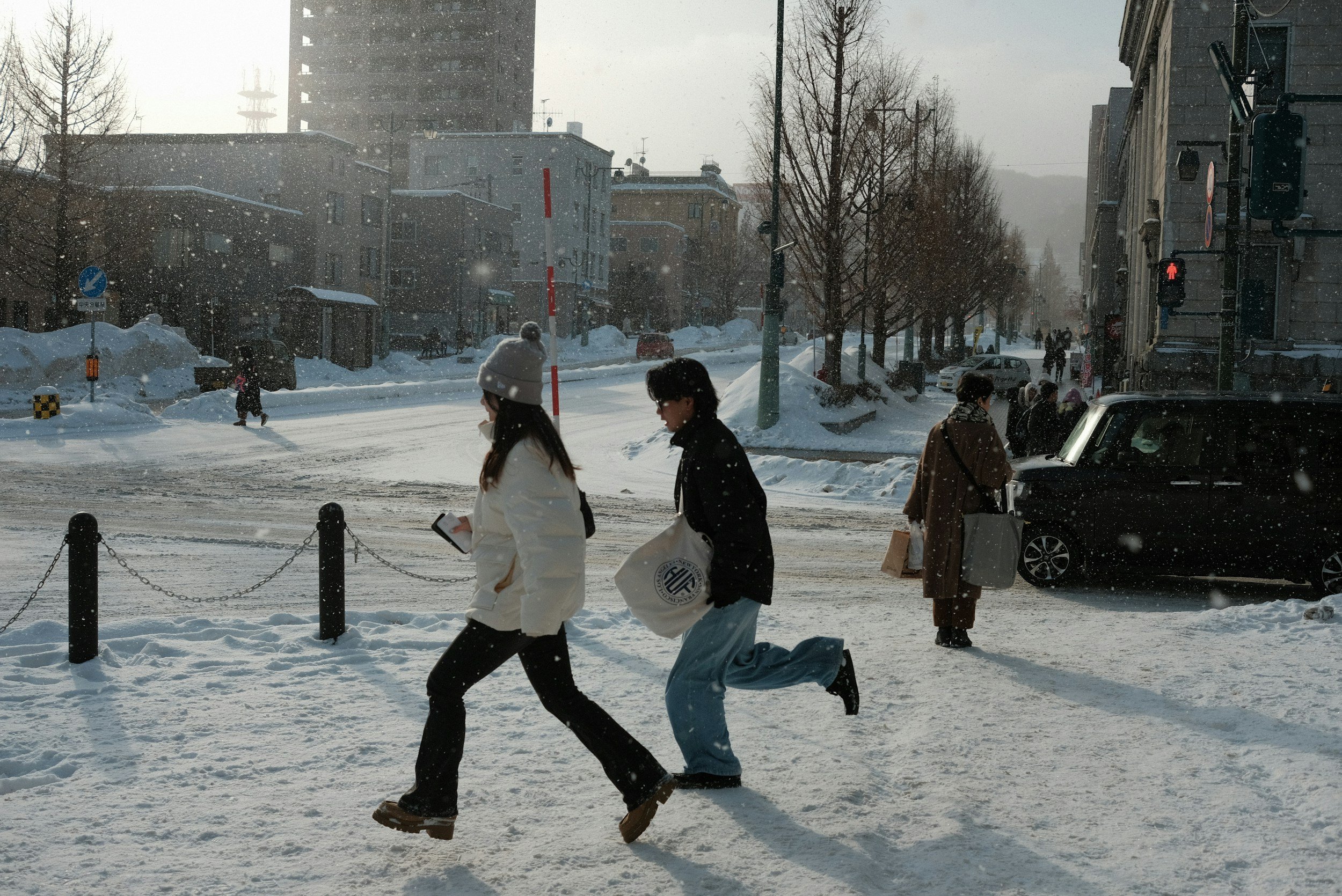
Photo Credit: Dominic Kurniawan Suryaputra @d_ks11
The first snowfall is upon us and that means it’s time to get Winter Body Ready! Unlike a “summer body” the winter body trend focuses on functional gains and improving your safety while outdoors in winter months. Find out how our Physiotherapists helped start the movement!
Reducing Your Fall Risk
Falls due to slippery sidewalks and roads increase as we see more and more ice developing each year, so preventing injuries is a common topic around this time of year. However, reducing your fall risk involves more than just “the penguin walk”!
There are 3 main factors that affect fall risk:
Strength
Proprioception (propriocpetion and balance are often used interchangeably in laymen's terms)
Reaction time
Due to the complex nature of fall risk, we recommend one-on-one work with a Physiotherapist to see real improvements (or joining our Strength and Balance Group Class which targets these 3 areas).
For the rest of this article, we’ll focus on what you can do to prepare your body for a sudden slip-and-fall.

Your Winter Body: Targeted Exercising
The most common injuries seen due to slipping on ice are fractures in wrists and hips, and torn ligaments in knees. Getting “Winter Body Ready” focuses on strengthening the muscles around these bones and joints. Strong muscles not only help cushion the bones during an impact, but regular weight-bearing exercises actually help increase bone density (reducing the likelihood of fractures). Let’s take a look at some advice from our Physiotherapist, Chantal Pinsent!
Upper Body Exercises:
What To Focus On
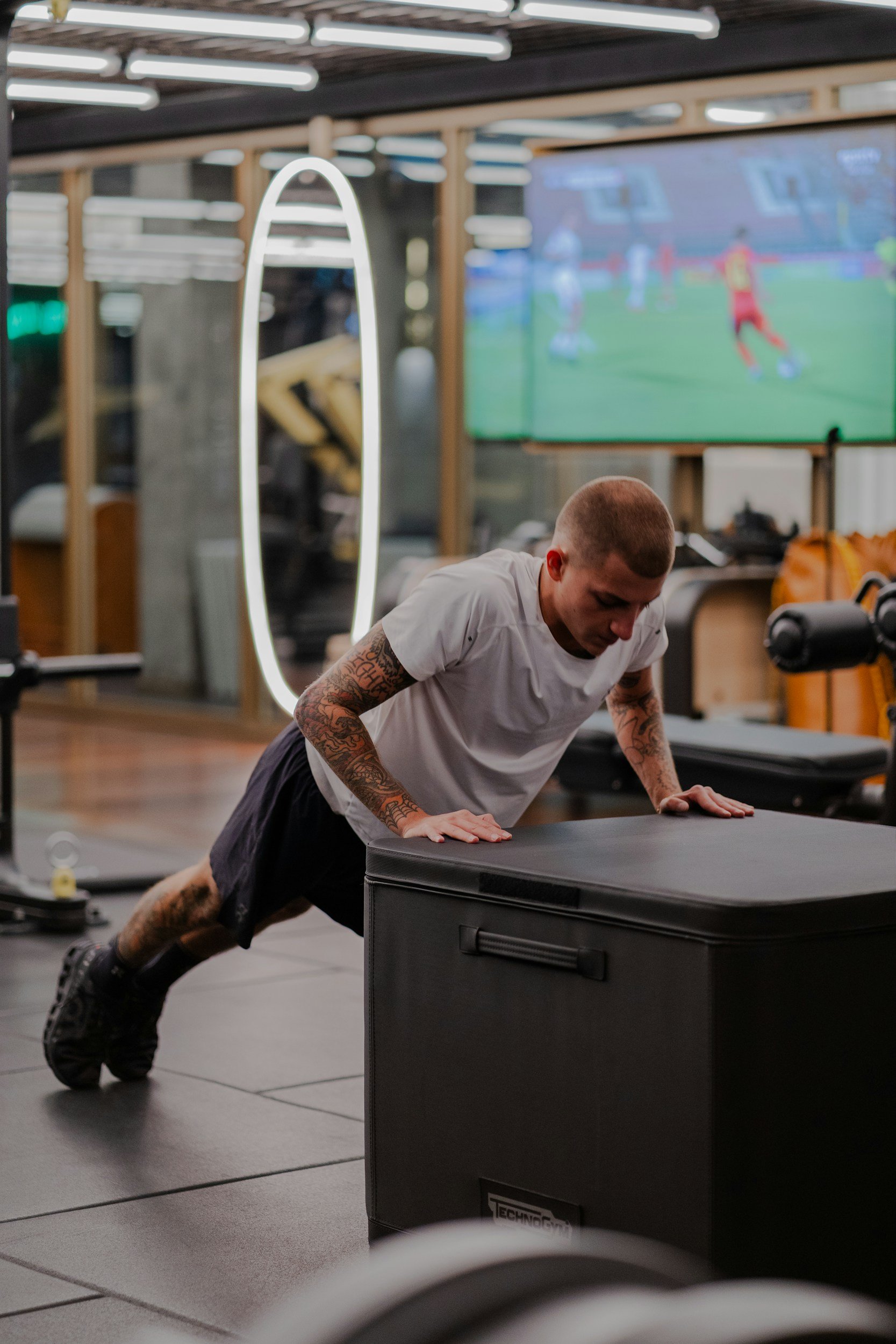
Weight-bearing exercises like push ups help strengthen wrists, especially because it replicates the hand position common in falls. Push ups can be modified to your current strength level by choosing the angle of incline.
Easy: Place hands against a wall
Medium: Place hands against a counter (ex: kitchen counter)
Hard: Place hands against floor
Walk outdoors with walking sticks. This simple technique helps increase bone density in your arms with relative ease!
Lower Body Exercises:
What To Focus On
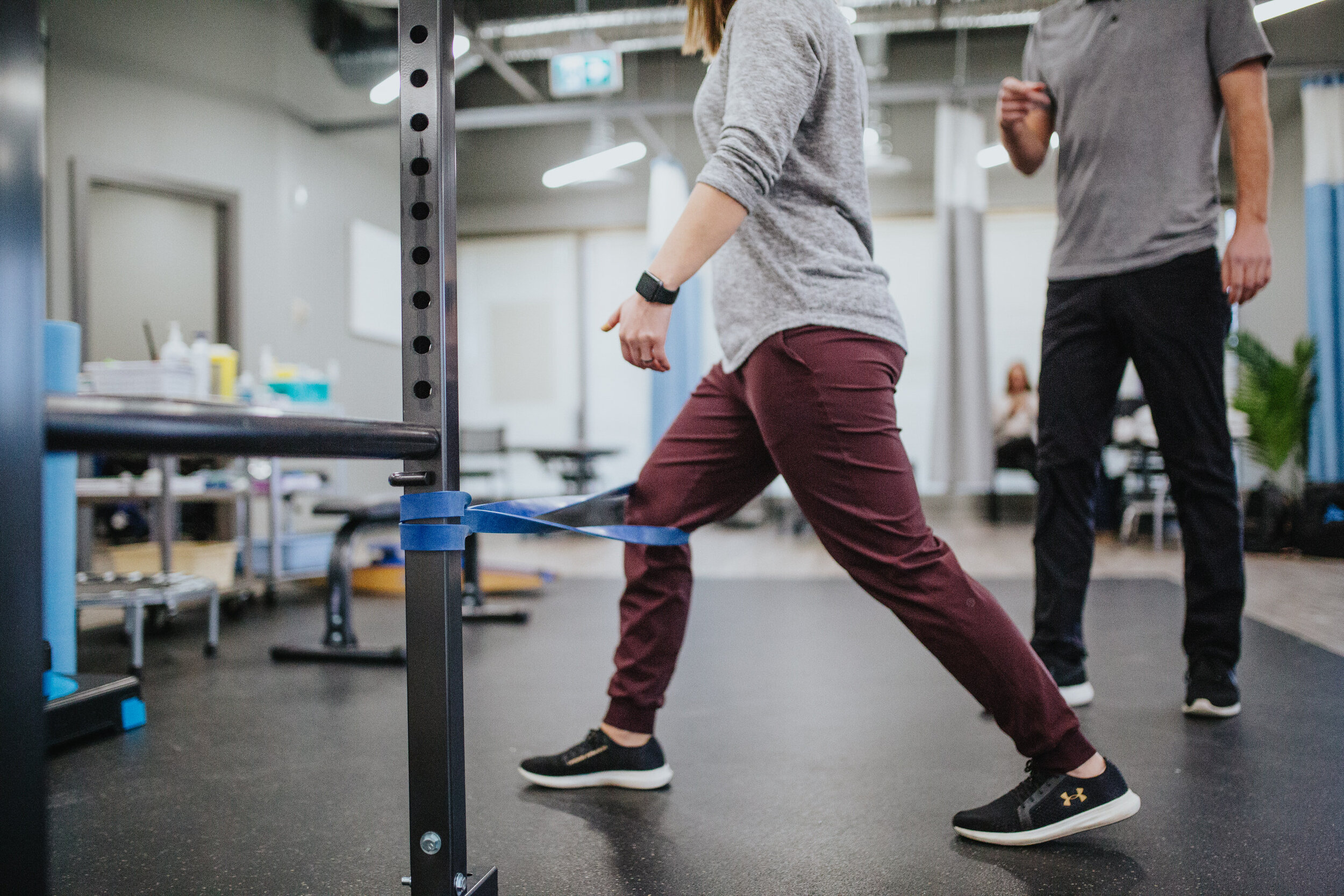
Pair balance and strength: Choosing exercises that improve balance and strength at the same time not only saves time, but builds muscle memory and targets muscles that are usually affected during sudden slips on ice. Lunges are a great exercise because they target both of these areas (as well as helping you when you get up from the floor).
Focus your exercises on these key areas:
Strengthening the quads and hamstrings help keep your knees less prone to injury due to sudden movements.
Strong glutes help protect your tailbone and hips, as well as helping you stay balanced on ice.
Single leg exercises, help improve your balance by regularly putting demands on your stabilizing muscles.
Speed is an important part of exercising with falls in mind because falls happen fast! When you train your muscles to react quickly, they’re better prepared for a sudden movement such as a slip on ice.
An easy example to work on at home is a Quick Sit-to-Stand (also called a chair squat). From a seated position on a stable chair you simply use your muscles in your legs and glutes to stand up as quickly as possible. Be sure to relax in between each repetition to get the full benefit.
Join The Winter Body Fitness Movement
Stay safe this winter by focusing your exercises on the areas of your body most likely to be impacted by snow and ice related injuries! If you are not familiar with exercising, please consult a Physiotherapist or other exercise professional to be instructed on how to build muscle and improve your balance in a safe environment with a properly paced exercise program. As with all new exercise programs, anyone with existing health conditions should consult their doctor before starting.
Written by: Ronnie C.